Specialist Bug Elimination Services for a Bug-Free Home
Accomplished pest control offerings provide a methodical approach to achieving a pest-free home. By analyzing individual property requirements, accomplished professionals execute comprehensive pest control techniques that stress both efficacy and environmental responsibility. Understanding the complexities of typical residential pests is essential. Homeowners may overlook early signs of infestation, which can lead to more grave issues. The remaining sections will review strategies and context information preventive approaches that can defend residential spaces from unwanted pests.
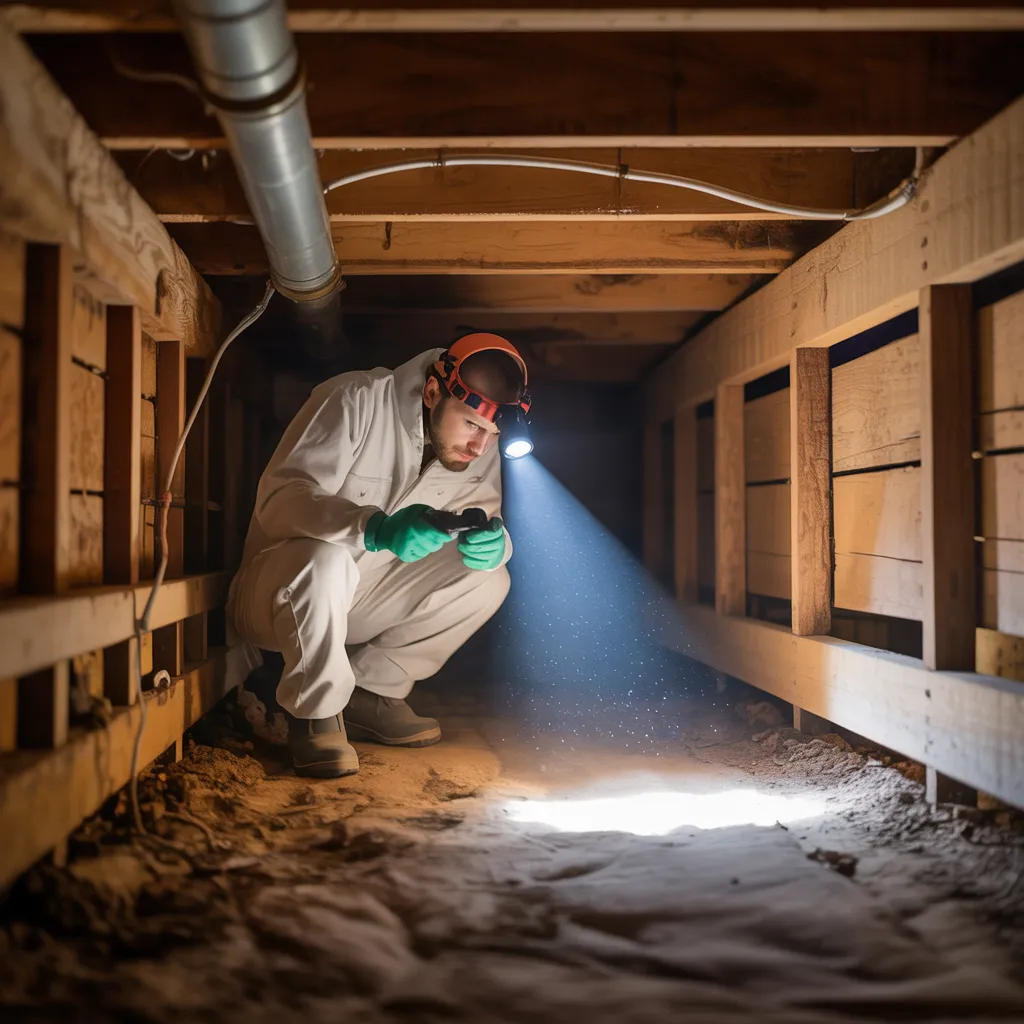
Understanding Common Household Pests and Their Risks
Although many householders may downplay the threat that common household pests pose, understanding their risks is important for effective pest control. Household pests including rodents, cockroaches, and ants can cause considerable damage along with health concerns. Rodents, for instance, not only chew through wires and insulation but also spread diseases affecting humans. Cockroaches, known for their rapid reproduction, can induce allergies and asthma, especially in children. Ants may invade food supplies, causing contamination and potential illness. Moreover, termites present a serious risk to the structural soundness of homes, often going unnoticed until significant damage occurs. Each pest poses unique challenges, making early identification essential. By recognizing the dangers linked to these common pests, homeowners can take proactive steps to protect their living environments and maintain good health. Understanding these risks is the first step toward successful pest management.
Evidence of Infestation: When to Ask for Assistance
How can residents spot the early signs of a pest infestation? Noticing these indicators can prevent major damage and health risks. Common signs include droppings, which differ based on pest type, and strange sounds such as scratching or buzzing, often originating from walls or ceilings. Homeowners should also notice gnaw marks on food packaging or furniture, showing rodent activity. Furthermore, the presence of discarded exoskeletons or nests can indicate an insect infestation.
Disagreeable fragrances often tied to decaying materials or pest secretions serve as another red flag. Homeowners may also identify unusual bite patterns on skin or unexplained allergic manifestations, particularly in the case of bedbugs or fleas. If any of these signs occur, it is advisable to consult a pest control expert promptly to assess the situation and recommend appropriate action. Quick response is important to maintaining a well-maintained and pest-free home environment.
Superior Pest Control Strategies for Homeowners
Residents face assorted challenges in maintaining a pest-free environment. Putting into practice effective prevention techniques is vital for curtailing risks, while safe pest control methods ensure that the home stays a healthy area. Understanding these methodologies empowers homeowners to take preventative countermeasures against pest problems.
Powerful Preventive Approaches
An collection of successful prevention methods can greatly minimize the possibility of pest infestations in homes. Homeowners should commence by sealing cracks and gaps around windows, doors, and foundations to close entry points. Frequently cleaning kitchens and dining areas to remove food particles is important, as pests are attracted to crumbs and spills. Properly storing food in airtight containers further minimizes risks. Additionally, maintaining a dry environment by fixing leaks and using dehumidifiers can prevent moisture-loving pests. Outdoor maintenance, such as keeping gutters clean and trimming vegetation away from the house, also plays a key role. Finally, homeowners should routinely inspect their properties for signs of pests, enabling early intervention before infestations get worse.
Safe Pest Control Approaches
There are numerous safe extermination ways available to homeowners aiming for successful pest control methods. Integrated pest management (IPM) highlights early intervention and using beneficial insects, lowering the need for harmful compounds. Essential oils, such as peppermint and tea tree, serve to repel bugs while being safe around humans and pets. Traps and baits, customized for specific pests, can successfully capture unwanted insects without dangerous materials. In addition, diatomaceous earth is a non-toxic option that kills by dehydrating on contact. Homeowners are advised to consider professional services that focus on green approaches, balancing safety with effectiveness. Using these methods supports maintaining a safe environment while protecting resident and ecosystem health.
What Steps Allow You to Find Green Pest Control Approaches?
In what ways can someone smartly choose environmentally safe pest control options? To start, individuals ought to look into products that contain natural materials, bypassing chemical-based pesticides that can negatively affect the environment. Assessing user feedback and evaluations can provide details regarding the security and performance of these choices.
Following this, it's vital to verify that the selected options adhere to applicable regulations, guaranteeing they are marked as safe for residential use. Moreover, seeking expert extermination companies that specialize in environmentally sustainable approaches can offer more efficient solutions customized for specific infestations.
Finally, understanding the application methods is significant; solutions that minimize harm to non-target species and the ecosystem should be favored. By following these guidelines, one can make informed decisions that strengthen a more wholesome home and surroundings while adeptly controlling pest issues.
Preventative Methods to Maintain Your Home Free of Pests
For a pest-free home, effective preventative actions are essential. Homeowners must begin by sealing cracks and crevices in walls, windows, and doors to close off pest entry points. Regular inspection and repair of screens on windows and vents can additionally help deter unwanted visitors. Additionally, storing food in airtight containers stops attracting insects and rodents.
Maintaining a clean setting is vital; immediately removing crumbs and spills minimizes food availability. Property owners should also manage moisture levels, as wet areas can draw in insects. Regularly clearing out garbage containers and using tightly sealed lids helps minimize odors that can entice pests.
Outdoor upkeep is crucial as well. Keeping gutters clean and guaranteeing proper drainage can prevent water buildup, while trimming vegetation near the home reduces hiding spots for pests. By applying these measures, homeowners can greatly decrease the likelihood of infestations.
Why You Should Consider a Pest Control Expert?
When dealing with a persistent pest issue, many residents may question whether they should seek the expertise of a pest control professional. In cases where DIY methods don't work, the knowledge and background of an expert can be priceless. Experts have expert training that enables them to identify the type of pests, assess the extent of the infestation, and determine the most successful treatment methods.
Additionally, professional pest control companies possess cutting-edge tools and products that are not available for the general public, delivering a more effective and enduring answer. They also comprehend area-specific rules related to pest control services, which is important for responsible and regulation-adhering operations.
Moreover, hiring a professional can reduce hours and reduce stress. By addressing the issue properly initially, homeowners can prevent further damage to their home and mitigate possible health hazards linked to pest infestations, making professional involvement a wise choice for many.
Common Inquiries Answered
What Price Range Should You Anticipate for Professional Pest Control Services?
Professional pest control costs generally vary from $100 to $300 per visit, depending on the infestation type and property size. Regular services can lead to additional charges, but long-term benefits often warrant the expense.
Do homemade Pest Control Techniques function effectively?
Do-it-yourself pest control techniques can work well for limited infestations. However, their results often depends on the specific pest and degree of the situation, making necessary professional help vital for more serious or stubborn concerns.
What Are the Threats of Utilizing Pesticides?
Applying chemical treatments presents risks including environmental pollution, damage to unintended organisms, potential health risks for people and animals, and the emergence of resistant pests. Precise application and compliance with protective guidelines are essential to reduce these dangers.
The Longevity of Pest Control Treatment
Pest control treatments usually persist between one to three months, depending on factors like the type of pest, the treatment method used, and environmental conditions. Regular check-ups can boost the effectiveness of the treatment.
Is It Safe for Animals to Stay at Home While Receiving Therapy?
Pets ought to generally be taken out of the home during pest control treatment to guarantee their protection. Each treatment varies, so consulting with the pest control provider about particular protocols for pets is vital for proper precautions.